A Round Trip Around Istanbul: Unveiling the City’s Rich History
A Round Trip Around Istanbul: Unveiling the City’s Rich History
Archaeological Sites of Türkiye:
A Journey Through Ancient Civilizations
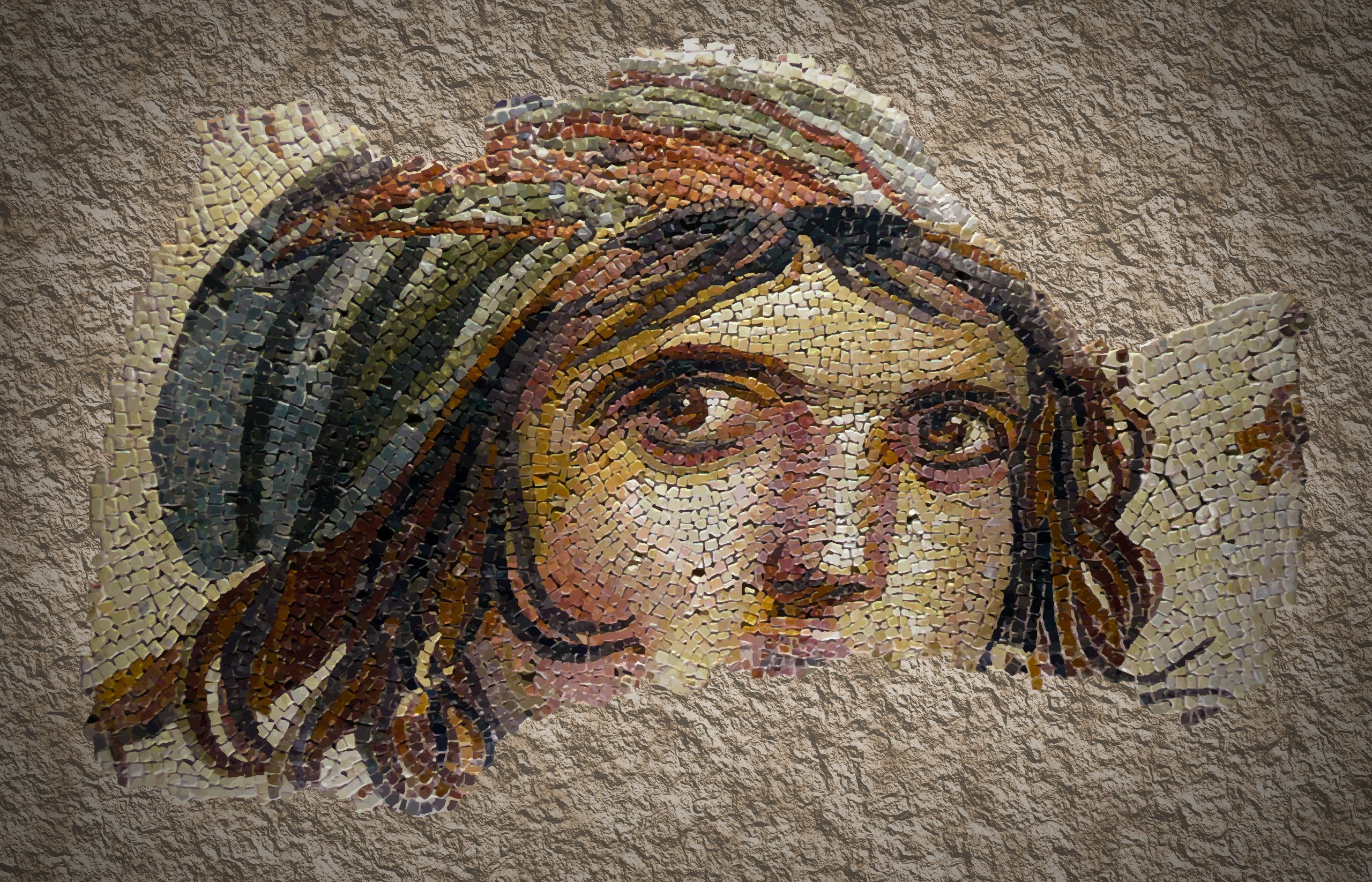
Türkiye is home to some of the most significant archaeological sites in the world, showcasing the legacies of ancient civilizations that shaped human history. From the early Neolithic period to the grandeur of the Roman Empire, Türkiye’s historical treasures offer a glimpse into the past. This guide takes you through the most remarkable archaeological sites in Türkiye, spanning millennia of history.
Göbekli Tepe: The World’s Oldest Temple Complex
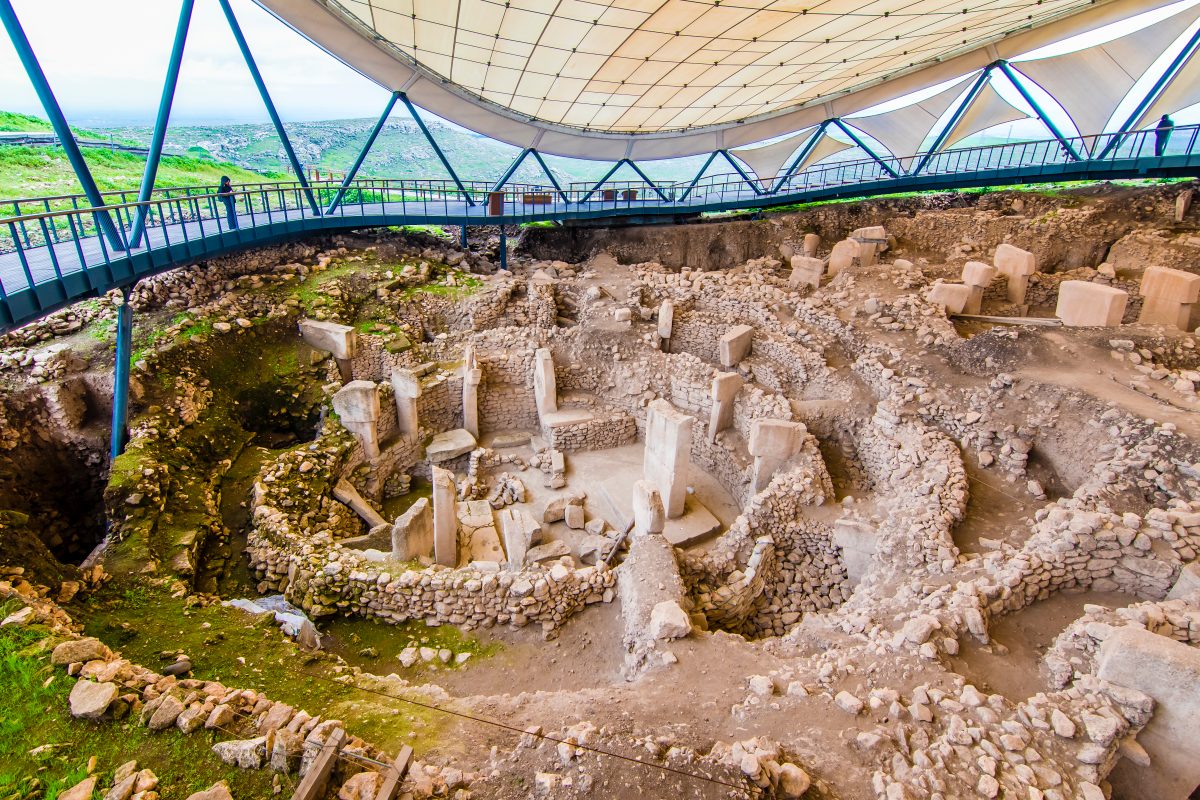
Considered the world’s first known temple complex, Göbekli Tepe dates back over 11,000 years to the Neolithic period. Located in southeastern Türkiye, this mysterious site features massive T-shaped stone pillars adorned with intricate carvings of animals and symbols. It challenges previous notions of early human civilization, suggesting that religion and communal gatherings predated agriculture.
Hattusas: The Hittite Capital
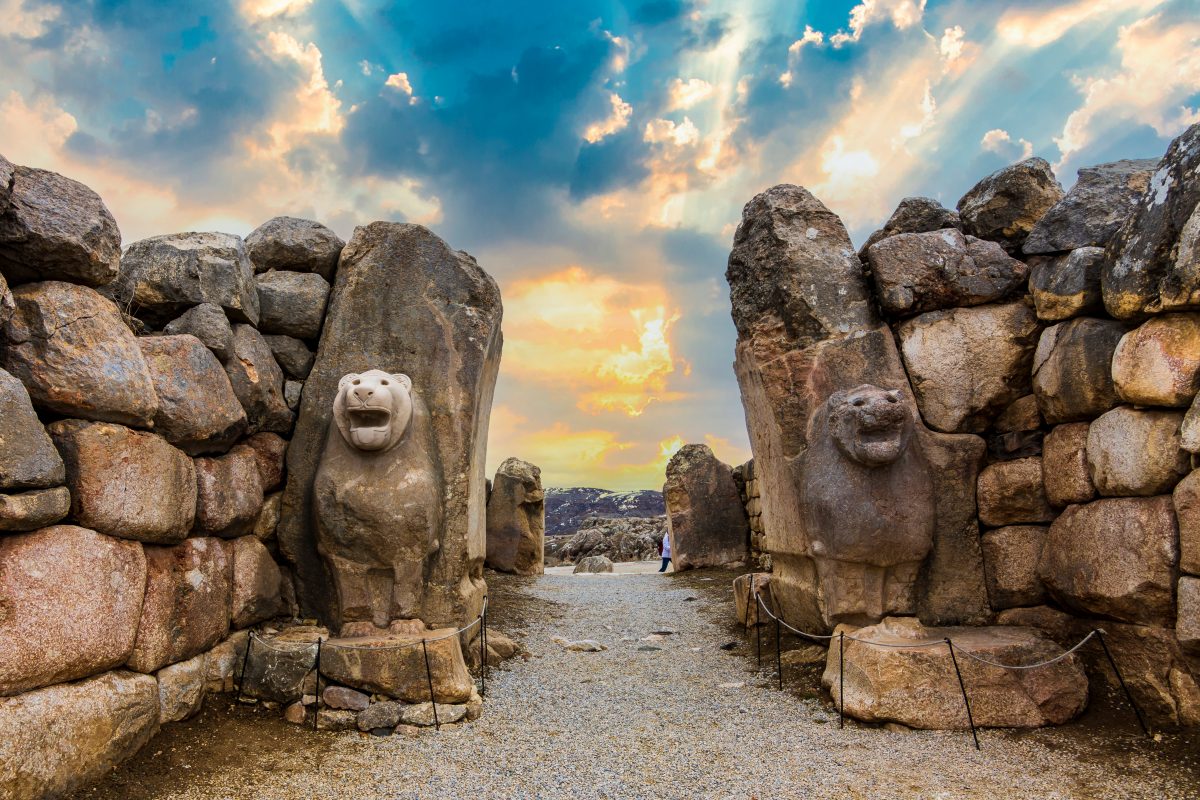
Hattusas, the capital of the Hittite Empire, dates back to the 17th century BC and is located in central Türkiye. The site is famous for its monumental city walls, the Lion Gate, and the vast temple complex. The Yazılıkaya rock sanctuary nearby contains intricate carvings of Hittite deities, providing insight into the spiritual life of this powerful ancient civilization.
Aphrodisias: The City of Art and Love
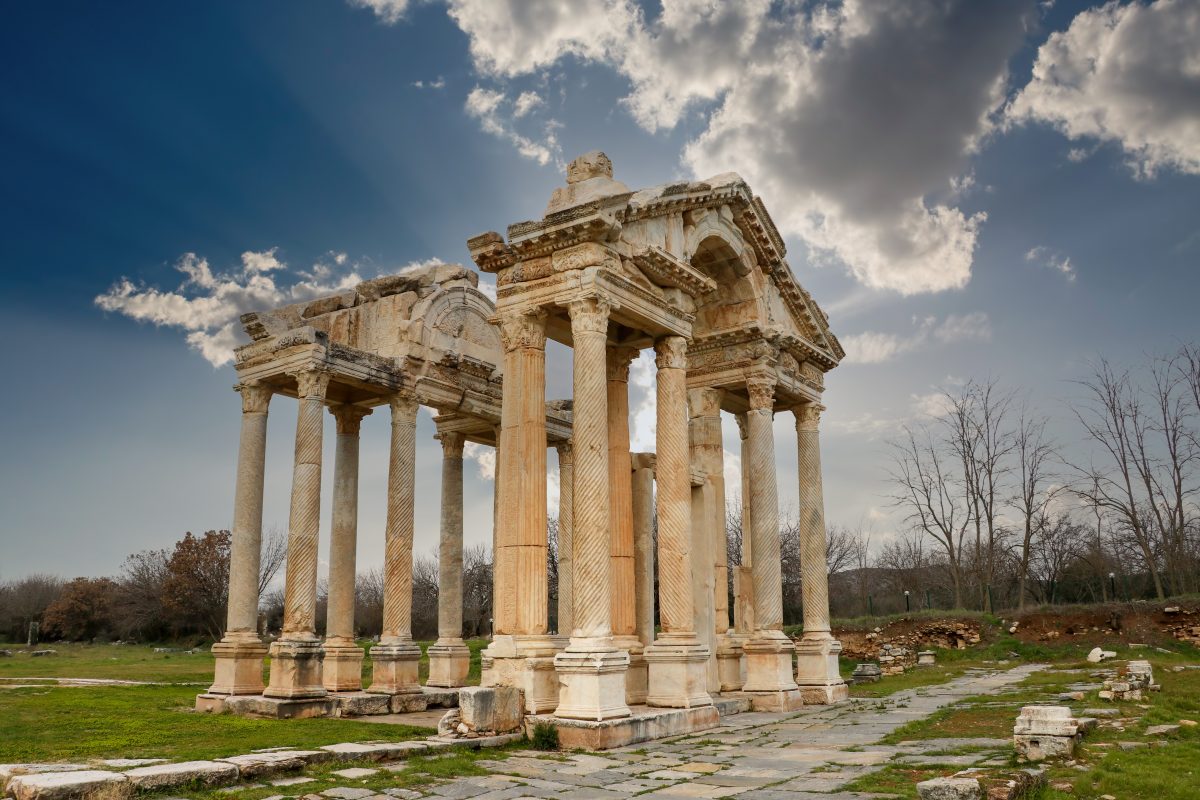
Named after the goddess Aphrodite, Aphrodisias was a center of art and sculpture in antiquity. The site boasts an impressive stadium, a beautifully preserved theater, and intricate reliefs that showcase the craftsmanship of its time. The Temple of Aphrodite and the Sebasteion are among the site’s highlights.
Hierapolis and Pamukkale: Thermal Waters and Ancient Ruins
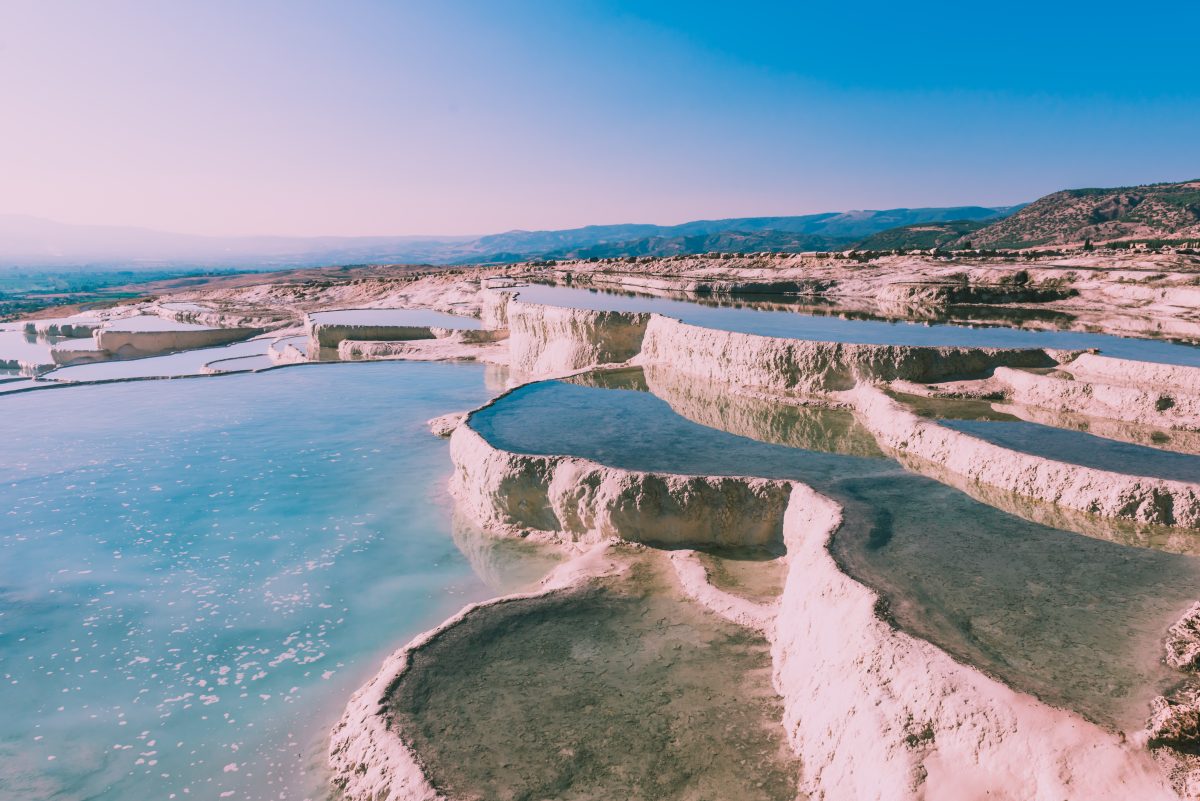
The ancient city of Hierapolis, located above Pamukkale’s famous travertine terraces, was a Roman spa city known for its healing thermal waters. Visitors can explore its grand necropolis, well-preserved theater, and the sacred Pool of Cleopatra, where legend says the queen once bathed.
Troy: The City of Legends
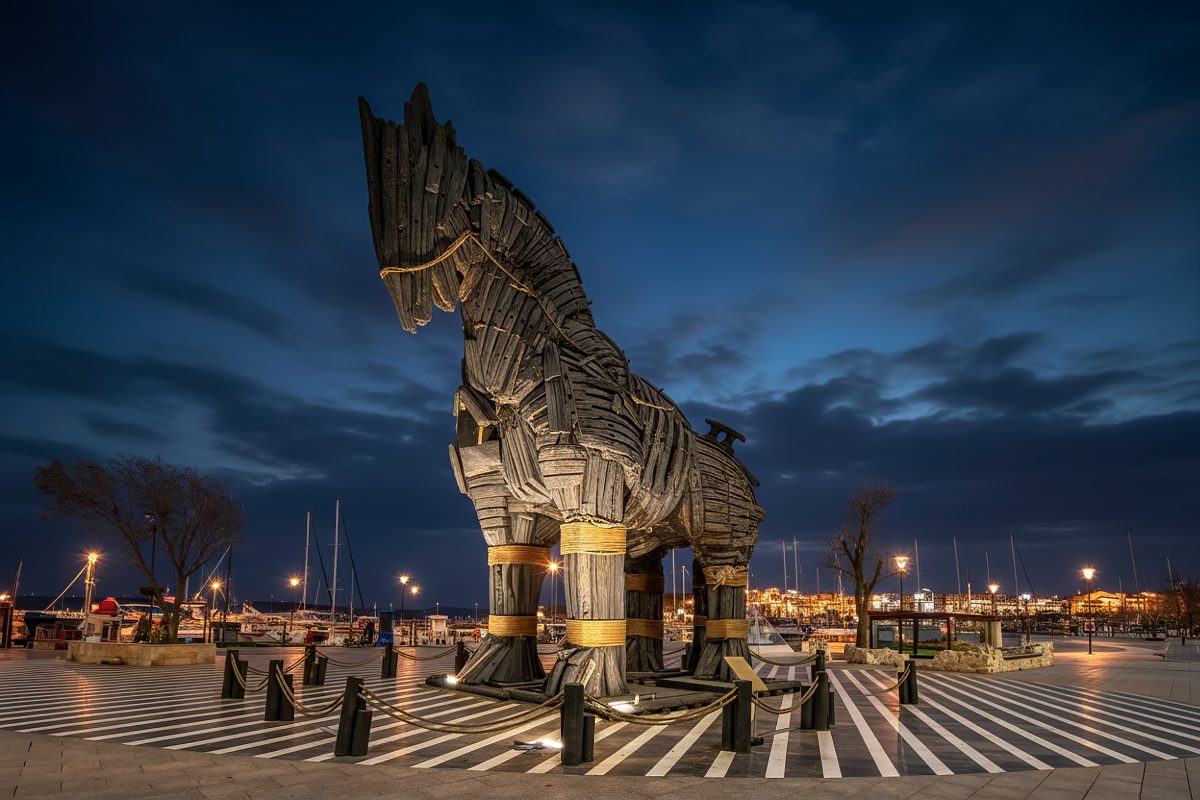
The ancient city of Troy, immortalized in Homer’s "Iliad," is one of Türkiye’s most famous archaeological sites. Situated in Çanakkale, Troy has layers of settlements dating back to 3000 BC. Visitors can explore its fortifications, ancient city walls, and remnants of the famed wooden horse legend.
Ephesus: The Jewel of the Roman Empire
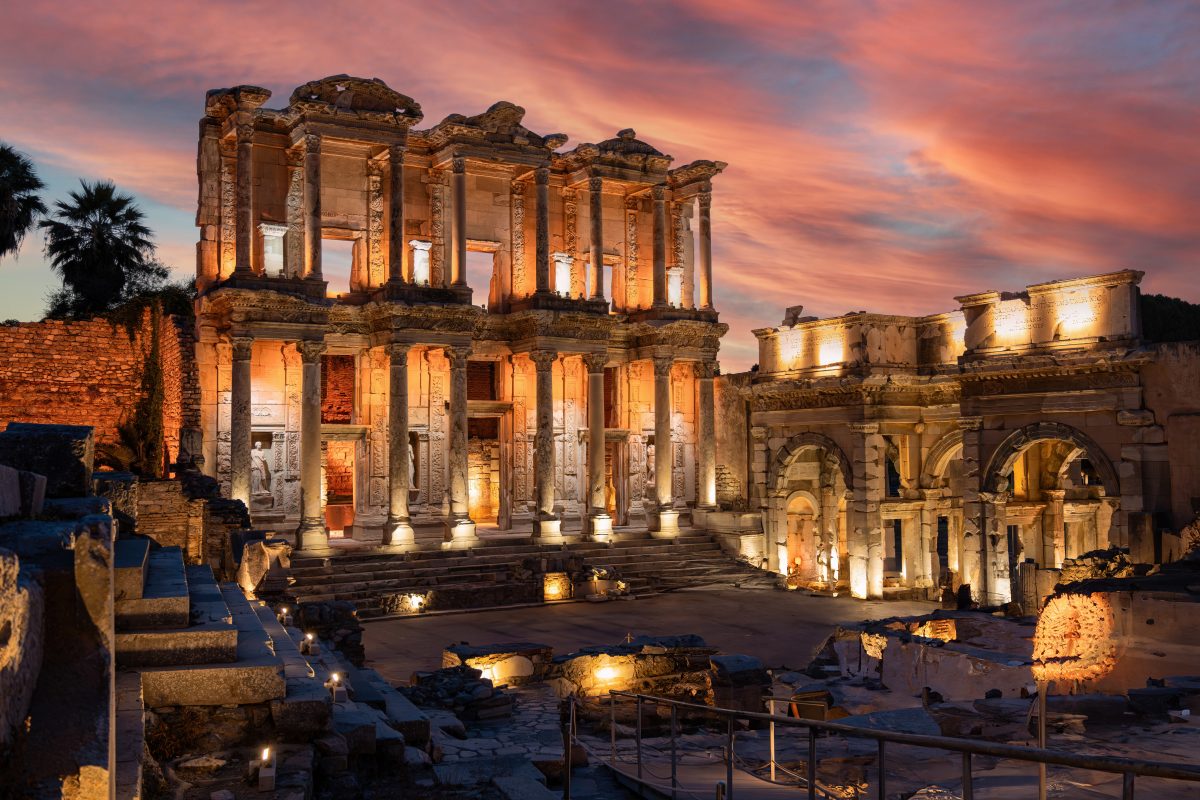
Ephesus, one of the best-preserved ancient cities in the world, was once a thriving metropolis of the Roman Empire. It is home to the Library of Celsus, the Great Theatre, and the Temple of Artemis—one of the Seven Wonders of the Ancient World. Walking through its marble streets offers an immersive experience of Roman-era grandeur.
Pergamon: The Seat of Knowledge
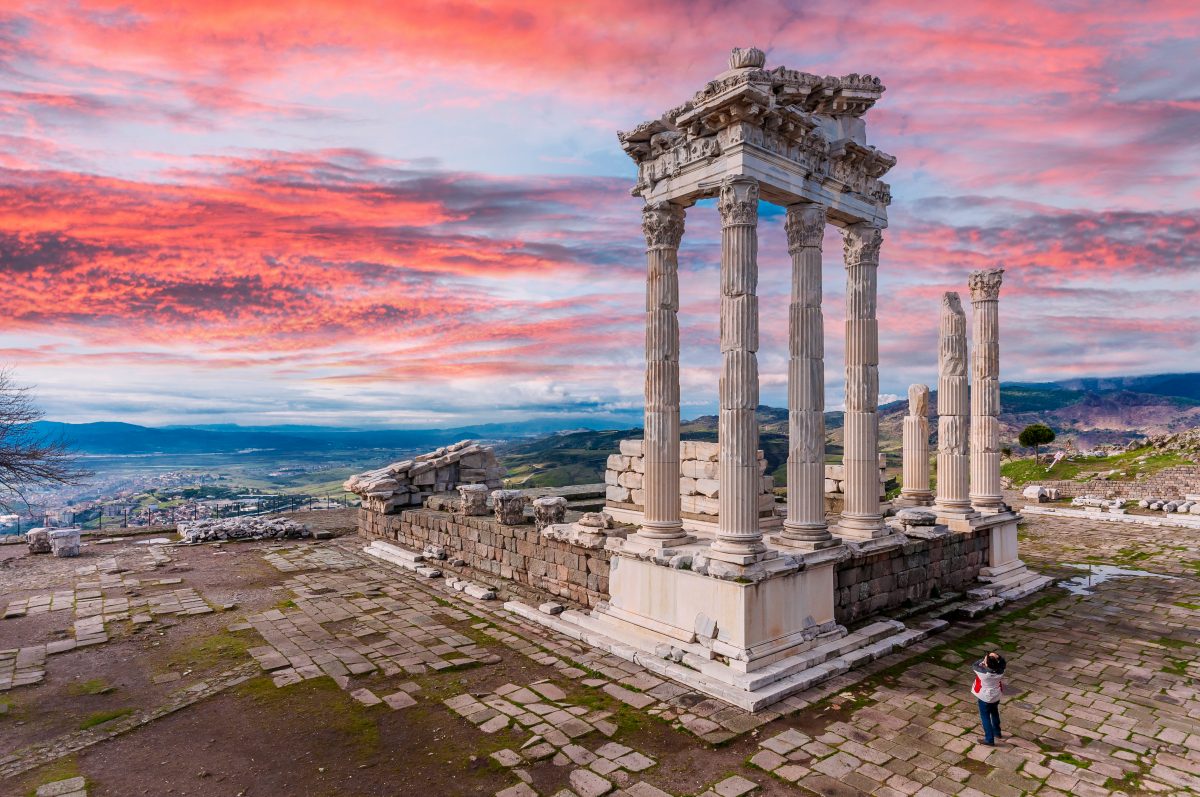
Pergamon, an ancient Greek city in modern-day Bergama, was renowned for its great library, second only to Alexandria’s. The Acropolis of Pergamon houses the dramatic Theater of Pergamon, the Altar of Zeus, and the Asclepion, an advanced healing center of the ancient world.
Ani: The Forgotten City of a Thousand Churches
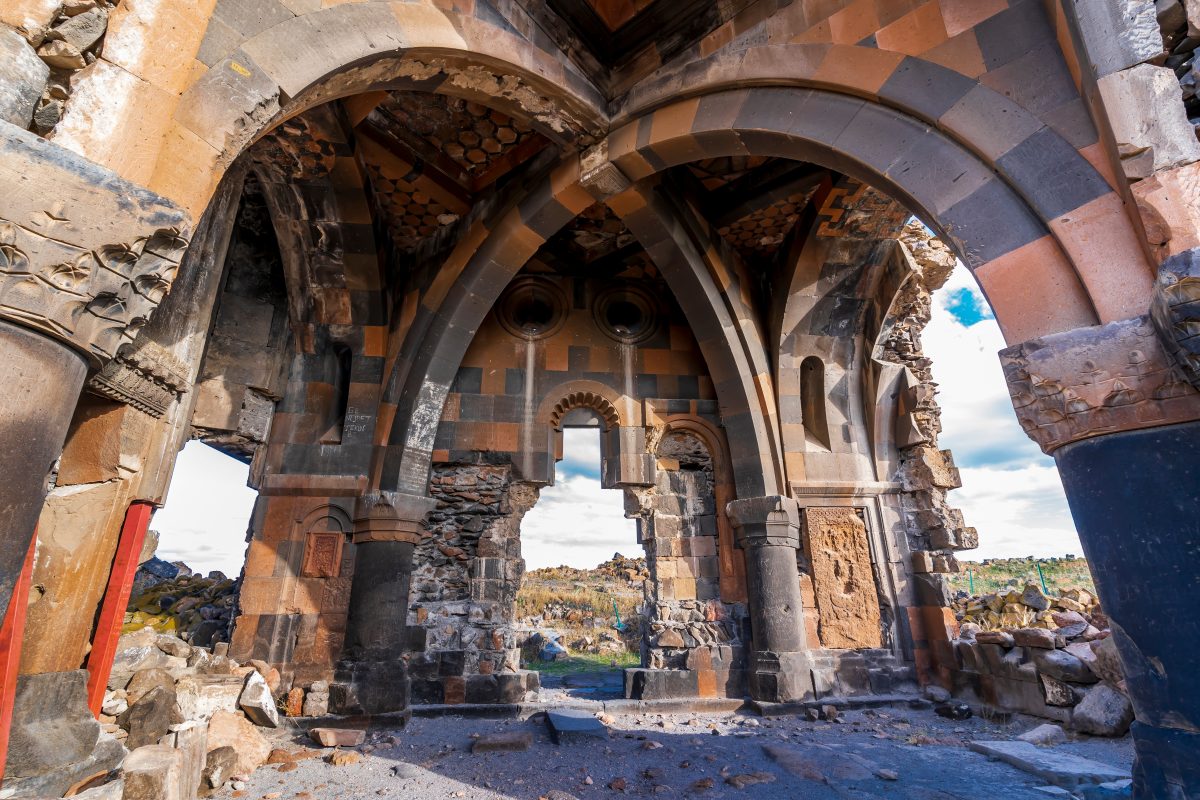
Located near Türkiye’s eastern border, Ani was once a thriving medieval Armenian capital. The city’s ruins, including the Cathedral of Ani and the Church of St. Gregory, stand as a testament to its historical significance as a crossroads of cultures.